When buyers decide to invest in Traeger’s modern D2 WiFIRE platform, the final question almost always comes down to size: Should you buy the Pro 575 for around $799, or step up to the Pro 780 for $999?
That $200 price difference sounds modest when making a five-year investment in a backyard smoker.
Naturally, the instinctive reaction is: “I might as well get the bigger one so I never run out of room.”
Before you spend that extra $200, you need to understand how the larger barrel impacts your day-to-day cooking, how much extra fuel it burns in cold weather, and whether you will ever actually fill those extra 208 square inches.
We have tested both the Traeger Pro 575 and the Pro 780 across four seasons. Here is the realistic breakdown of how they compare.
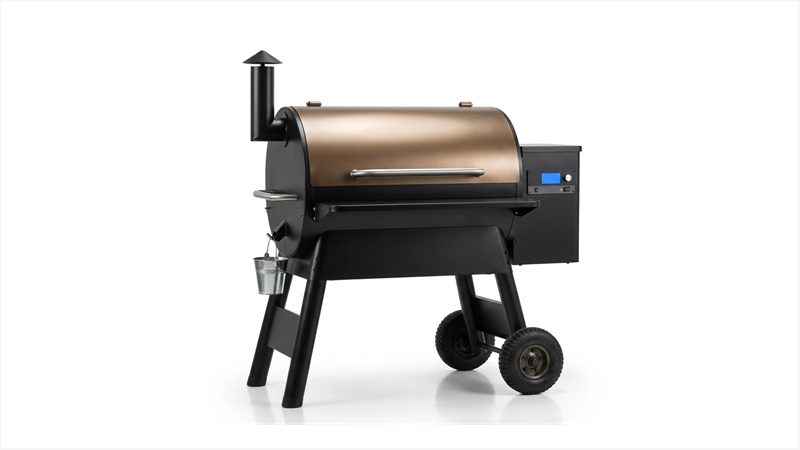 Figure 1: Evaluating the real-world cooking grate capacity and pellet fuel consumption between the Traeger Pro 575 and the full-sized Pro 780.
Head-to-Head Spec Comparison
| Spec | Traeger Pro 575 | Traeger Pro 780 | Real-World Difference |
|---|---|---|---|
| Total Cooking Area | 572 sq. in. | 780 sq. in. | +208 sq. in. on the Pro 780 (+36% more room) |
| Main Cooking Grate | 22” Wide x 19” Deep | 30” Wide x 19” Deep | 8 extra inches of lateral grate width |
| Grate Capacity | 24 burgers / 5 rib racks | 34 burgers / 6 rib racks | Holds one extra rack of ribs or 10 more burgers |
| Hopper Capacity | 18 lbs | 18 lbs | Identical (Both swallow standard 20-lb bags closely) |
| Drivetrain & Motor | Brushless D2 Direct Drive | Brushless D2 Direct Drive | Identical (Same startup speed and torque) |
| Wi-Fi & App | WiFIRE Controller | WiFIRE Controller | Identical (Same iOS/Android software interface) |
| Weight | 128 lbs | 150 lbs | Pro 780 is 22 lbs heavier to maneuver |
| Pellet Burn Rate (at 225°F) | ~1.1 to 1.3 lbs / hr | ~1.5 to 1.8 lbs / hr | Pro 780 burns ~30% more pellets |
| Amazon Price | Check Pro 575 Deal | Check Pro 780 Deal | $200 retail price difference |
What Does That Extra Grate Space Actually Hold?
Notice that both grills share the exact same 19-inch grate depth. The only physical difference is that the Pro 780 is 8 inches wider.
What Fits on the Pro 575 (572 sq. in.)
- One whole 16-lb packer brisket laid flat diagonally across the bottom grate, with room along the side for a small pan of burnt ends.
- Two whole 9-lb pork butts sitting side by side with plenty of airflow around the bark.
- Three to four racks of St. Louis ribs laid flat (or up to 5 racks using an aftermarket rib rack stand).
- Four spatchcocked chickens across the main grate.
For a family of 3 to 6 people hosting the occasional weekend barbecue for friends, the Pro 575 easily handles 95% of cooking scenarios.
What Fits on the Pro 780 (780 sq. in.)
- Two whole packer briskets laid side by side without touching the barrel edges.
- Three to four pork shoulders simultaneously.
- Five to six racks of ribs laid completely flat without needing a rib rack stand.
- Dozens of chicken wings spread out with wide spacing for maximum crisping.
If you regularly cook for sports teams, church cookouts, or holiday parties with 20+ guests, those extra 8 inches of width eliminate the frustration of having to smoke in sequential shifts.
The Hidden Cost: Fuel Consumption & Cold Weather
Here is what most review sites overlook: Heating a larger steel barrel requires burning more wood pellets.
Both the Pro 575 and the Pro 780 use the exact same firepot size, the same electric igniter rod, and the same 18-lb hopper.
However, the Pro 780 has roughly 36% more internal cubic volume that must be maintained at target temperature.
Real-World Pellet Burn Rate Test (At 225°F)
- On a mild 65°F spring day:
- Pro 575: ~1.1 lbs of pellets per hour. (An 18-lb hopper lasts ~16 hours)
- Pro 780: ~1.5 lbs of pellets per hour. (An 18-lb hopper lasts ~12 hours)
- On a windy 35°F late fall day:
- Pro 575: ~1.4 lbs per hour.
- Pro 780: ~2.0 lbs per hour.
Because both cookers share an 18-lb hopper, the Pro 780 will chew through fuel noticeably faster on cold winter nights. On a 14-hour overnight winter brisket smoke, you will need to check the hopper on a 780 before heading to bed to avoid running empty, whereas the 575 will comfortably run through sunrise.
What Stays Completely Identical?
Aside from barrel width and cooking grate surface area, the internal components on both models are 100% interchangeable:
- The D2 Motor: Both use the same brushless DC drivetrain that starts up in roughly 4 minutes and automatically reverses if an auger jam occurs.
- The WiFIRE Controller: The app interface, meat probe tracking, and temperature precision (±5°F PID control) function identically on both models.
- The Flavor Profile: Because both circulate indirect convection heat from the same firepot design, smoke penetration and bark texture on a brisket are virtually indistinguishable.
Final Verdict: Which One Should You Buy?
- Buy the Traeger Pro 575 if: You typically cook for your immediate family and small groups of 4 to 8 guests. You get the exact same D2 technology, quieter motor, and WiFIRE app stability while saving $200 upfront and spending ~30% less on pellet bags every year. Check the Traeger Pro 575 on Amazon.
- Buy the Traeger Pro 780 if: You frequently smoke two whole briskets at once, cook 5+ racks of ribs without using a vertical rib rack, or regularly host tailgates and parties for 15 to 30 people. The extra $200 is well worth having the horizontal width when cooking for large crowds.